Tips for Creating a Cozy and Functional Home Workspace
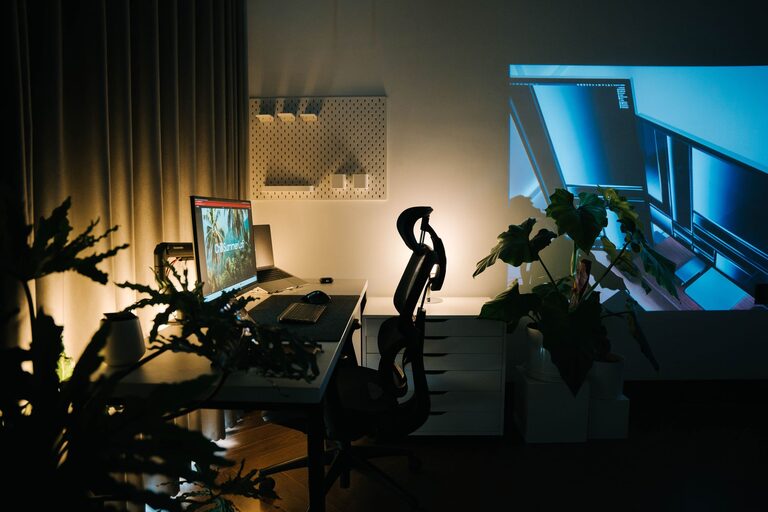
Creating a home workspace that feels cozy yet functional can make a big difference in your daily routine. Whether you work remotely, run a small business, or need a dedicated spot for personal projects, designing a space that supports focus and comfort is key. In this post, we share practical tips to help you build a workspace that meets your needs and makes working from home a pleasure.
Why a Cozy and Functional Workspace Matters
Working from home offers flexibility but also comes with challenges such as distractions, discomfort, and lack of organization. A well-designed workspace can improve concentration, reduce stress, and boost your productivity. Comfort helps you stay motivated, and functionality ensures you can find what you need and work efficiently.
Choose the Right Location
Consider Natural Light
Select a spot near a window to take advantage of natural light. Good lighting reduces eye strain and enhances mood. If natural light isn’t an option, invest in a quality desk lamp with adjustable brightness and color temperature.
Minimize Noise and Distractions
Pick a quiet corner away from high-traffic areas. Using noise-canceling headphones or adding sound-absorbing elements like rugs and curtains can help reduce distractions.
Accessibility and Space
Ensure the location has enough space for your desk, chair, and storage. Being close to power outlets is important for plugging in devices comfortably.
Invest in Comfortable Furniture
Ergonomic Chair
Choose a chair with adjustable height, lumbar support, and comfortable padding. Sitting correctly helps prevent back pain and improves focus.
Suitable Desk
Select a desk that fits your workspace and work style. Standing desks or adjustable desks offer flexibility to switch positions throughout the day.
Additional Seating
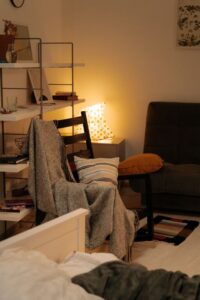
If space allows, include a small couch or armchair for reading, brainstorming, or taking breaks.
Organize Efficiently
Use Storage Solutions
Shelves, drawers, and organizers keep supplies tidy and within reach. Decluttering your workspace helps maintain mental clarity.
Cable Management
Tidy up cables with clips, sleeves, or under-desk trays to avoid tangles and hazards.
Digital Organization
Create folders on your computer and use productivity apps to keep digital files and tasks in order.
Personalize Your Space
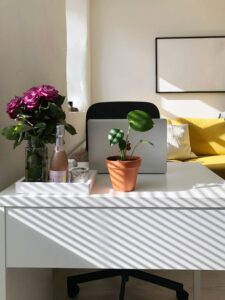
Add Greenery
Plants improve air quality and add life to your workspace. Choose low-maintenance plants like succulents or pothos for easy care.
Decorate Thoughtfully
Incorporate artwork, photos, or decorative items that inspire you. Keep it simple to avoid overcrowding your space.
Use Color Wisely
Pick colors that promote calm and focus, such as soft blues or greens. Avoid overly bright or distracting tones.
Optimize Lighting
Balance Ambient and Task Lighting
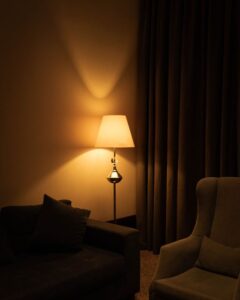
Use ceiling lights for general illumination and desk lamps focused on your work area. Proper lighting reduces eye strain and fatigue.
Consider Light Temperature
Cool white light is great for tasks requiring sharp focus, while warmer light creates a relaxed ambiance.
Maintain Good Air Quality and Temperature
Ventilation
Open windows when possible or use air purifiers to keep fresh air flowing.
Comfortable Temperature
Adjust your room thermostat or use fans and heaters to keep the temperature comfortable year-round.
Create Daily Rituals and Boundaries
Define Work Hours
Set clear start and end times to separate work from leisure at home.
Keep Workspace for Work Only
Avoid using your workspace for non-work activities to maintain focus.
Take Breaks
Step away from your desk regularly to stretch and refresh your mind.
Make Technology Work for You
Reliable Internet
Ensure your internet connection supports your tasks smoothly.
Necessary Equipment
Invest in quality headphones, keyboards, or monitors that enhance your workflow.
Backup Options
Have a backup plan for power outages or technical issues, like a portable charger.
Final Thoughts
Designing a home workspace that’s both cozy and functional requires a balance between comfort, organization, and personal style. By choosing the right location, investing in ergonomic furniture, and keeping your environment organized and inspiring, you can create a space that helps you work efficiently and enjoyably. Remember, your workspace should evolve with your needs, so don’t hesitate to make changes as you discover what works best for you. Happy working!